ChatGPT dropped Reddit overnight. Here is what actually happened
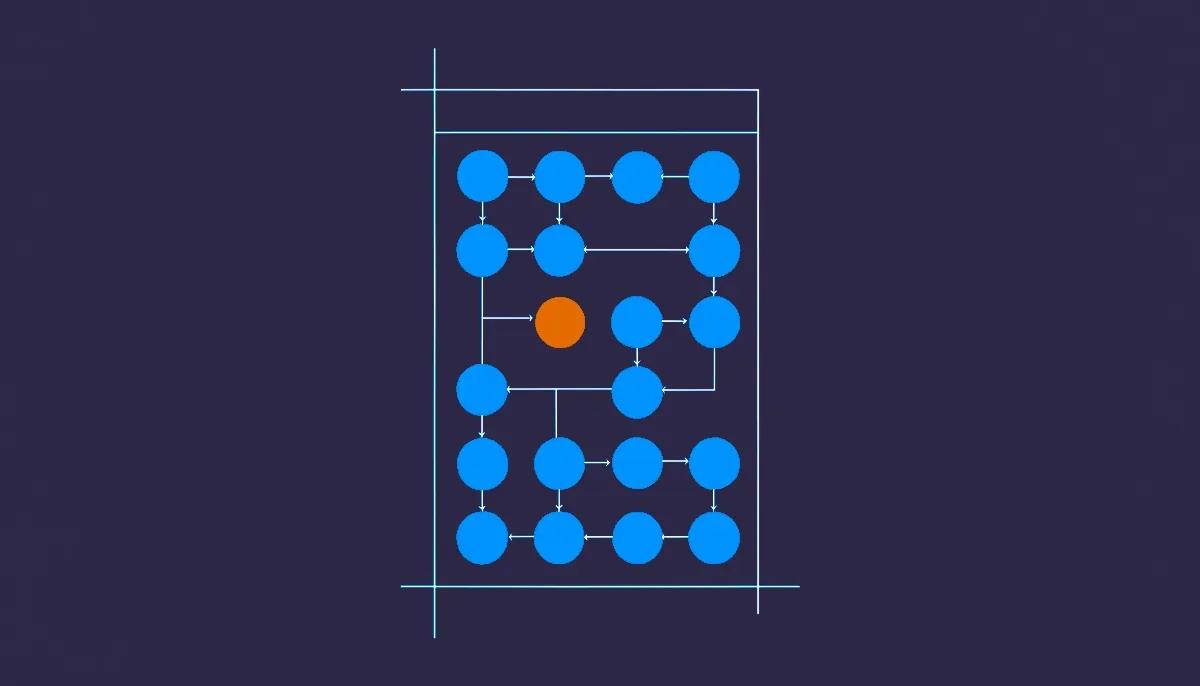
The standard content brief has one shape: a head keyword, a search volume, a list of related terms, a word count. That shape assumes one query leads to one page that earns one ranking. AI search broke the assumption at the retrieval layer. When you ask AI Mode a question, Google's own explanation is that it runs a query fan-out: the model decomposes your question into as many as 16 synthetic sub-queries, searches them simultaneously, compares candidate passages against each other, and assembles an answer that cites three to six sources. Pages do not compete anymore. Passages do. The brief has to change accordingly.
Why passages, not pages, get cited
The fan-out mechanics are documented in unusual detail for a Google system, both officially and through patent analysis. The practical consequences: your page is retrieved for questions you never targeted, each retrieved passage is judged against other candidates in pairwise comparison, and a passage only survives that comparison if it answers the sub-query on its own. A paragraph that opens with "as we said above" dies in retrieval. The Q2 2026 citation analysis summed up what wins instead: quotable data points, clear definitions, extractable tables. Linkability beats authority.
The evidence for evidence
The GEO benchmark, from researchers at Princeton, Georgia Tech, Allen AI and IIT Delhi, tested nine optimization tactics across 10,000 queries and measured how each changed a source's visibility inside generative answers. The two clear winners were both evidence injections. Keyword stuffing, the tactic every old brief optimizes for, performed at or below baseline.
Two independent 2026 datasets agree from the field. HubSpot's State of AEO and Wix Studio's AI Search Lab, covering over a million citations between them, found the most-cited pages pair the right format with intent-matched titles ("What is X", "X vs Y", "Best X") and four structural signals: statistics, a visible last-updated date, an author bio and an FAQ block. Comparison pages top ChatGPT at a 95% citation rate. None of this is keyword density. All of it is checkable in a brief before a word is written.
The template
Below is the brief we now use for any topic that matters commercially. It borrows its coverage structure from the Semrush 50,000-brand study, which defined topic ownership as appearing across five distinct buyer prompts. Those five intents are the spine of the brief:
One production note on that last block: for video, Peec's research found engines pull from both descriptions and auto-generated transcripts, so reviewing the transcript before publishing is now a checklist item, not a nicety.
What about llms.txt and schema?
An honest brief also says what to skip. llms.txt is not in this template because the evidence says it does nothing yet: Google has stated that no AI system currently uses it, repeated in June that the file neither helps nor harms rankings, and Ahrefs server-log data found 97% of llms.txt files received zero bot requests. Ship one if it costs you nothing. Expect nothing from it. Schema is the opposite case: it will not buy citations on its own, but FAQ markup was one of the four citation-correlated signals in the HubSpot data, and structured data remains how you state an entity unambiguously. Schema is in the template. llms.txt is a footnote.
What to do this week
Take one revenue topic and run the template against what you have. Score each of the five intents: answered, half-answered, or missing. Rebuild the single most valuable page so its key passage stands alone with a number and a quote in it. Then set a monthly check across the five prompts, the same panel structure the Semrush study used, and watch whether your share of the answers moves. In our experience the first movement shows inside a month, because most of your competitors are still briefing for keywords.